
Why Authenticity Matters More Than Hype in Streetwear

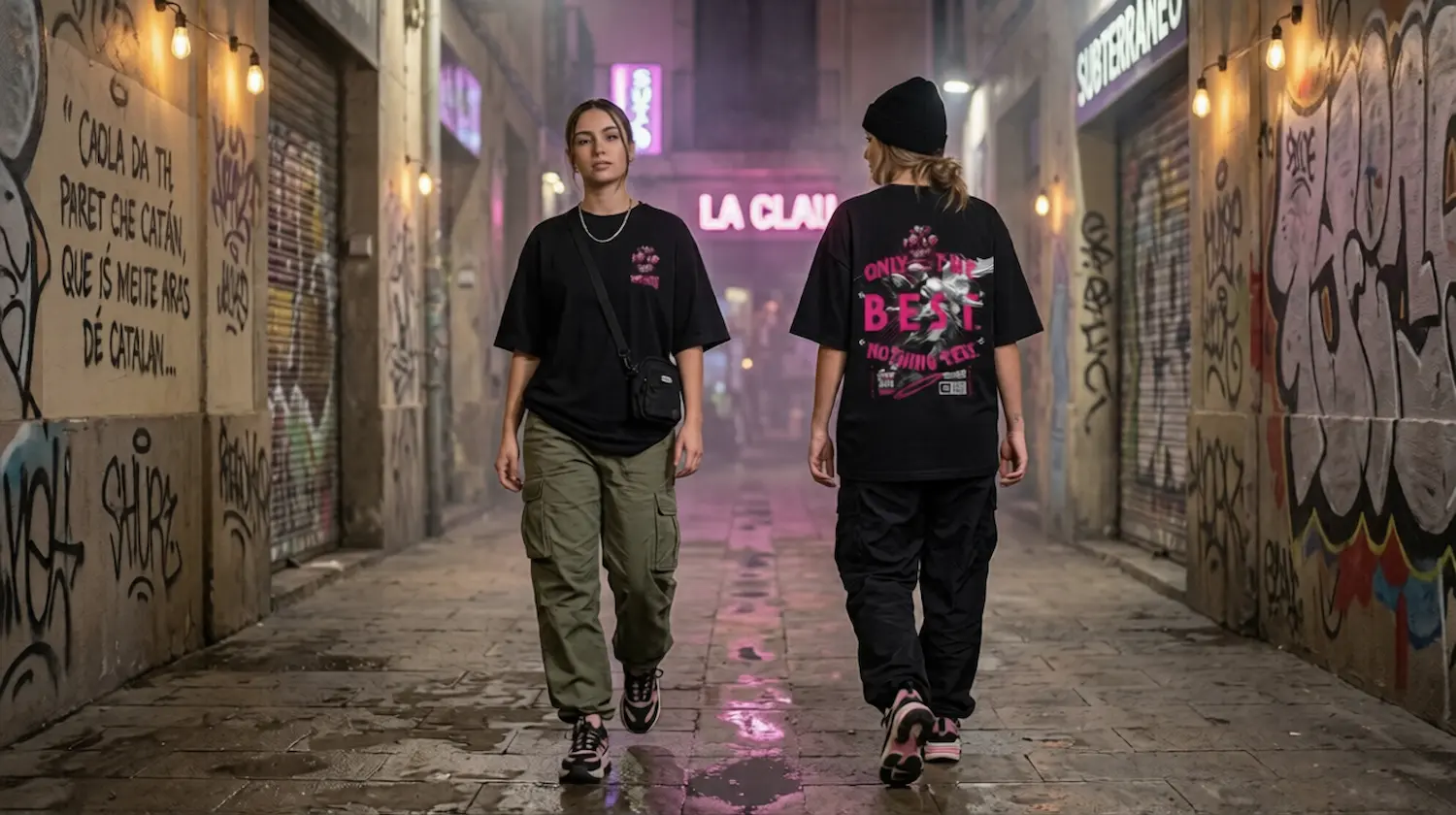
Authenticity in streetwear has become one of the most important ideas in modern fashion culture. In a space filled with fast attention, short product cycles and endless noise, people are getting better at spotting the difference between a real brand and a moment that will disappear as quickly as it arrived.
Streetwear has never been only about clothes. At its best, it reflects attitude, community, identity and standards. That is exactly why authenticity matters more than hype. Hype can create attention for a moment, but authenticity is what gives a brand meaning, loyalty and long-term presence.
Why authenticity in streetwear matters more now than ever
Streetwear has grown far beyond its original circles. What once felt underground, local and culture-led is now visible everywhere. That growth has created opportunity, but it has also created a problem: not everything that looks like streetwear has real identity behind it.
A brand can have a drop, a logo and a campaign, but still feel empty. People can sense when something exists only to chase a trend. They can also sense when a brand stands for something deeper.
That is why authenticity in streetwear matters more now than ever. It gives people a reason to care beyond the first impression. It separates brands that are building a point of view from those that are simply filling a product page.
Hype creates attention, but authenticity creates trust
Hype is not automatically a bad thing. Streetwear has always had energy around launches, scarcity, culture and anticipation. The problem starts when hype becomes the whole strategy.
A brand built only around hype usually depends on constant noise. It always needs the next drop, the next push, the next moment. Without that pressure, there is very little left to hold onto.
Authenticity works differently. It creates trust over time. It comes from consistency in message, design, product quality and community presence. It comes from knowing what the brand is, what it is not, and why people should believe in it.
That is the difference between a real streetwear brand and merch without identity. One has a clear standard behind it. The other is only asking for attention.
A real streetwear brand has identity beyond the graphic
One of the clearest signs of authenticity is identity. Not just visual identity, but the kind of identity that carries through every part of the brand.
That includes:
- how the pieces fit
- how the collections are presented
- how the brand speaks
- what the brand chooses to align with
- what it refuses to become
A lot of brands can create a shirt with a print. That does not automatically create meaning. People remember brands that feel coherent. They remember brands with a recognisable point of view. They remember brands that know how to connect design, quality and culture into something that feels complete.
This is also why the conversation around streetwear vs merch matters. A product can look similar at first glance, but the thinking behind it is not the same. Streetwear with identity carries intention. Merch without identity often stops at surface level.
Quality before drops is what gives authenticity weight
One of the easiest ways to test authenticity is simple: what comes first?
For some brands, the answer is obvious. The priority is noise, urgency and scarcity. The drop matters more than the product. The moment matters more than the standard.
For a brand with real direction, the answer is different: quality before drops.
That principle changes everything. It means the product has to stand on its own. It means fabric, fit, durability and finish actually matter. It means a piece should still feel right after the first post, the first event or the first week of attention has passed.
In other words, authenticity in streetwear is not just a branding idea. It is something people can feel in the product itself. That is why a strong streetwear quality guide matters more than empty slogans. Real standards always outlast short-term noise.
Consistency is one of the strongest signs of authenticity
Real brands are not built in one campaign. They are built through repetition, discipline and coherence.
Consistency does not mean being repetitive or predictable. It means protecting the core of the brand while everything around it moves quickly. It means staying recognisable across products, visuals, community moments and collaborations.
This is what gives authenticity real depth. People trust a brand more when it feels stable in its values. They trust it when the message matches the product. They trust it when the quality matches the tone. They trust it when the cultural references feel lived-in rather than borrowed for effect.
That is also why drops without meaning eventually lose power. If every release asks for urgency but does not add to the identity of the brand, the audience starts to feel the gap.
Community can see the difference immediately
Authenticity is not decided by a tagline. It is decided by how people respond over time.
Community is one of the clearest tests. A real community does not form around empty branding alone. It forms when people recognise standards, feel aligned with the message and see consistency in how a brand shows up.
That is where hype and authenticity separate even more clearly. Hype can bring temporary visibility. Community comes from credibility. Hype can create a spike. Community creates memory.
This is why The 10/10 Community matters as part of a broader brand story. When people connect with a brand beyond a single product, that is usually a sign that something more real is happening underneath.
Authenticity also means protecting credibility
In streetwear, credibility matters. It affects how a brand is perceived, how products are valued and how people talk about it in real life.
That is why trust tools and authenticity signals matter. They are not only practical. They also communicate that the brand takes itself seriously.
For that reason, features like Verify Your Product are not just support pages. They are part of the wider language of authenticity. They show care, control and accountability. They help protect trust, which is one of the most valuable things any brand can build.
When a brand cares about authenticity, it does not only say the right things. It creates the structure to back them up.

What authenticity in streetwear really comes down to
At its core, authenticity in streetwear is not about pretending to be underground, exclusive or untouchable. It is about being clear, consistent and honest in what the brand represents.
It is built through:
- identity
- product standards
- design intent
- cultural awareness
- community presence
- credibility over time
People do not stay with a brand because it shouted the loudest. They stay because it felt real. They stay because the brand meant something. They stay because the standards were visible in more than just the marketing.
That is why authenticity matters more than hype. Hype may get the first look, but authenticity is what earns the second one.
How The 10/10 Boys approaches authenticity
For The 10/10 Boys, authenticity is not about chasing every moment or trying to imitate what already feels overdone. For us, authenticity in streetwear starts with standards, not noise.
That means the product should carry weight beyond the release itself. It means identity should be visible in more than a logo. It means the brand should feel connected to culture, standards and community, not reduced to merch without identity or drops without meaning. It is the same logic behind The 10/10 Boys Code: quality, scarcity and staying official only work together.
In a crowded space, that difference matters. People can feel when a brand is built with intention. They can also feel when it is only trying to keep up.
Streetwear will always have movement, hype and fast attention around it. But the brands that last are usually the ones that understand something more important: attention is temporary, while authenticity builds presence.
Authenticity first — more on the brand: our standards. Authentic streetwear, including the official streetwear tees.